

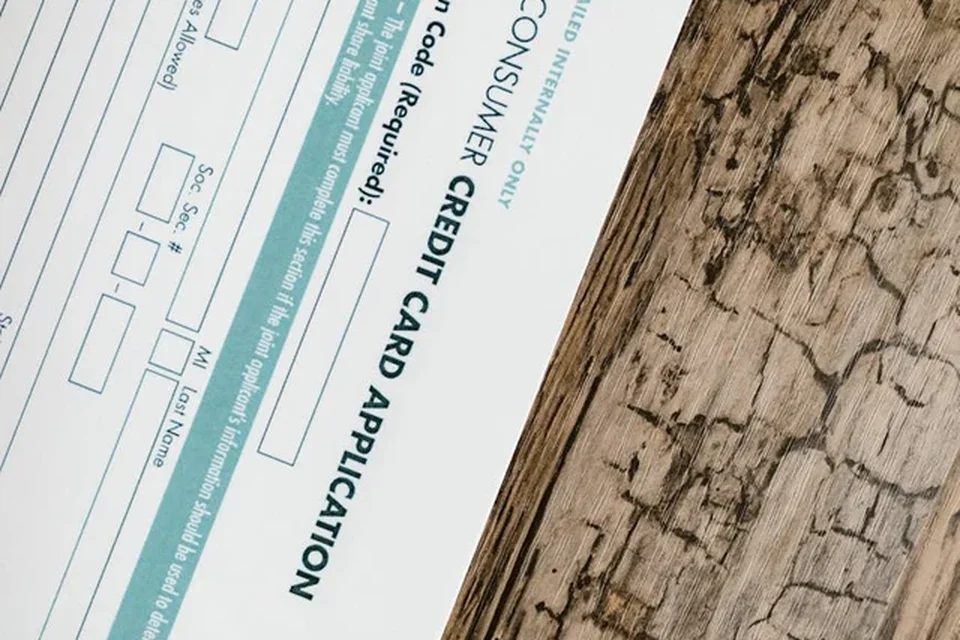
The Cardholder’s Dilemma: How Strategic Credit Card Use Can Backfire Without a Plan
A Case Study in Rewards, Rates, and the Fine Print
In the world of personal finance, credit cards are a double-edged sword. For the disciplined spender, they offer cash back, travel perks, and a buffer against emergencies. For the unwary, they can spiral into a cycle of high-interest debt that erodes any benefit. This case study explores the journey of a hypothetical cardholder—let’s call her “Sarah”—as she navigates the promises and pitfalls of credit card ownership. By examining typical bank policies, interest rates, grace periods, and fee structures from major issuers, we uncover the critical lessons every consumer should know before swiping.
Meet Sarah: The Hypothetical Optimist
Sarah, a 32-year-old marketing manager in Chicago, prides herself on being financially savvy. She pays her bills on time, keeps a budget, and has never carried a balance. In early 2023, she decides to apply for a new rewards credit card to maximize her monthly spending on groceries, gas, and dining. After researching online, she narrows her options to three popular cards:
- Chase Sapphire Preferred® Card: Known for travel rewards, with a sign-up bonus after meeting a spending requirement. Annual fee applies (waived first year for some applicants). APR varies based on creditworthiness.
- Citi Double Cash® Card: Offers cash back on all purchases—a portion when you buy and a portion when you pay. No annual fee. APR varies based on creditworthiness.
- Capital One Quicksilver Cash Rewards Credit Card: Flat cash back on every purchase. No annual fee. APR varies based on creditworthiness.
The First Six Months: Smooth Sailing with Grace Periods
Sarah’s strategy works perfectly for the first six months. She uses the card for all her expenses, earns points, and pays her statement balance by the due date. She benefits from the grace period—a standard feature on most credit cards that allows cardholders to avoid interest on new purchases if they pay the full statement balance by the due date. According to typical cardholder agreements, the grace period is a set number of days from the close of each billing cycle.
During this period, Sarah earns bonus points plus additional points on spending. She redeems them for a flight to New York, feeling confident in her financial discipline.
Lesson 1: Grace periods are a powerful tool. As long as you pay in full, you effectively get an interest-free loan for a period of time (depending on the billing cycle). But this protection vanishes the moment you carry a balance.
The Turning Point: An Unexpected Expense
In month seven, Sarah’s car breaks down. The repair bill is $2,500. She has only $1,000 in her emergency fund. Rather than dipping into savings, she decides to put the repair on her Chase Sapphire Preferred, planning to pay it off over two months. She reasons that the interest will be minimal, and she’ll still earn points.
This decision triggers a cascade of consequences that many cardholders overlook.
How Interest Actually Works: The End of the Grace Period
When Sarah fails to pay her full statement balance, she loses the grace period on all new purchases. This is a critical detail. Most credit card issuers apply interest to the entire unpaid balance from the date of each transaction—not just from the statement date. Sarah’s next billing cycle includes the $2,500 repair plus her regular spending. Because she carried a balance, interest accrues on every new purchase from the day she makes it.
Let’s use typical numbers for illustration. The APR on her card is variable. The daily periodic rate is the APR divided by 365. If Sarah’s average daily balance for the next month is $3,000 (the repair plus new spending), the interest charge can add up quickly—potentially more than the cash back she earned on those purchases. And if she continues to carry a balance, interest compounds.
Lesson 2: Carrying a balance, even for one month, eliminates the grace period and triggers retroactive interest on new purchases. The rewards you earn are quickly eaten by interest charges.
The Minimum Payment Trap
Sarah decides to pay only the minimum payment due—typically a small percentage of the balance plus interest and fees. For many issuers, the minimum payment is the greater of a fixed amount or a percentage of the statement balance plus any interest and late fees.
At a typical APR, it could take Sarah many years to pay off the balance if she only made minimum payments, and she would pay a significant amount in interest. This is not a hypothetical—it’s a mathematical reality based on standard credit card amortization.
Lesson 3: Minimum payments are designed to maximize interest income for issuers. They are not a repayment strategy.
The Cash Back Illusion
Sarah’s Chase Sapphire Preferred earns points on most purchases (with bonus categories like dining and travel earning more). Let’s assume she earned points on her spending over the past month. At a typical valuation for travel redemption, those points may be worth a certain amount. But she paid interest. Net loss is possible. And if she continues to carry a balance, the loss grows.
Lesson 4: Rewards are only valuable if you never pay interest. Once you carry a balance, the math flips against you.
Comparing the Alternatives: What If Sarah Had Chosen a Different Card?
Let’s imagine Sarah had chosen the Citi Double Cash or Capital One Quicksilver instead. Both have no annual fee and simpler rewards structures. But the same interest dynamics apply. The Citi Double Cash offers cash back, but only if you pay your balance. If Sarah carries a balance, she may lose a portion of the cash back. According to typical terms, the cash back on payments may be forfeited if you don’t pay the full statement balance by the due date.
Similarly, the Capital One Quicksilver’s cash back is earned on purchases regardless of payment behavior, but the interest rate still makes carrying a balance costly.
Lesson 5: No rewards card can compensate for interest charges. Always prioritize paying in full over earning rewards.
The Hidden Fees: Late Payments, Cash Advances, and Balance Transfers
Sarah’s story takes another turn. In month nine, she forgets to make her payment on time. Chase may charge a late fee (subject to regulatory limits). Her APR may also increase to a penalty rate if she is more than 60 days late.
If Sarah had taken a cash advance from her credit card—say, to pay the repair shop directly—she would face a different set of costs. Cash advances typically have no grace period, a higher APR, and a fee based on the amount. For a $2,500 cash advance, the fees alone could be substantial.
Balance transfers are another common trap. Many cards offer introductory APR on balance transfers for a period, but charge a transfer fee. If Sarah transferred her $2,500 balance to a new card with a typical fee, she would owe more immediately.
Lesson 6: Fees compound quickly. Late fees, cash advance fees, and balance transfer fees can turn a manageable debt into a mountain.
The Behavioral Side: Why We Overspend with Credit
Sarah’s situation is not just about math—it’s about psychology. Studies show that people spend more when using credit cards compared to cash. The “pain of paying” is delayed, making it easier to justify larger purchases. Sarah’s decision to put the car repair on her card was rational, but her subsequent spending—eating out, buying new clothes—was influenced by the availability of credit.
Some research suggests that credit card users spend more than cash users in the same categories. This “credit premium” can erode the value of any rewards.
Lesson 7: Credit cards encourage higher spending. If you’re not tracking your budget, you may be spending more than you realize.
The Escape Plan: How Sarah Could Recover
Sarah’s debt is not insurmountable. Here’s a realistic plan based on real financial strategies:
- Stop using the card. Switch to debit or cash until the balance is paid off.
- Pay more than the minimum. Even an extra amount per month cuts years off the repayment timeline.
- Consider a balance transfer to a card with an introductory APR. For example, some cards offer a 0% intro APR for a period on balance transfers (then a variable APR) with a transfer fee. This gives Sarah a window to pay off the debt without interest.
- Negotiate with the issuer. Chase may offer a hardship program if Sarah calls and explains her situation. This could lower her APR temporarily.
- Build an emergency fund. Sarah’s lack of savings was the root cause. A $1,000 emergency fund is a good start, but experts recommend 3–6 months of expenses.
What the Data Says: Industry-Wide Trends
According to the Consumer Financial Protection Bureau (CFPB), the average credit card APR in the United States has been at elevated levels in recent years. The average credit card debt per household is significant. Late fees total billions of dollars annually, and the CFPB has proposed changes to reduce the burden on consumers.
Key facts from major issuers (as of recent data):
- Chase: APRs range based on creditworthiness. Late fee: subject to regulatory limits. Grace period: typically a set number of days.
- Citi: APRs range based on creditworthiness. Late fee: subject to regulatory limits. Balance transfer fee: typically a percentage.
- Capital One: APRs range based on creditworthiness. Late fee: subject to regulatory limits. No penalty APR for some cards.
- American Express: APRs range based on creditworthiness. Late fee: subject to regulatory limits. No preset spending limit on charge cards.
Editorial Comparison: The Best Use Cases for Different Cards
Based on the facts, here’s how each card from Sarah’s initial comparison performs in different scenarios:
| Card | Best For | Worst For |
|---|---|---|
| Chase Sapphire Preferred | Travel rewards, sign-up bonus, trip insurance | Carrying a balance (high APR, annual fee) |
| Citi Double Cash | Simple cash back, no annual fee, long intro offers | Those who don’t pay in full (may lose cash back) |
| Capital One Quicksilver | Flat-rate cash back, no annual fee, simplicity | High spenders (rate may be lower than category cards) |
Hypothetical Example: If Sarah had used the Citi Double Cash and paid in full each month, she would have earned cash back on her spending versus Chase points. But if she carried a balance, the Citi card would only give her a portion of the cash back, and interest would still exceed that.
Lesson 9: Choose a card based on your payment habits, not just the rewards structure.
The Takeaway: A Strategy for Success
Sarah’s story illustrates a common pattern: a disciplined cardholder falls into a trap due to an unexpected expense, then suffers from the compound effects of interest, fees, and behavioral overspending. The solution is not to avoid credit cards—they offer valuable protections and rewards—but to use them with a clear strategy.
Three Rules for Every Cardholder:
- Pay the full statement balance every month. This is non-negotiable. If you can’t, don’t use the card for new purchases until the balance is zero.
- Build an emergency fund first. A cushion prevents you from relying on credit for unexpected expenses.
- Read the fine print. Understand grace periods, penalty APRs, late fees, and cash advance terms before you need them.
This article is for informational purposes only and does not constitute financial advice. Hypothetical scenarios are used for illustrative purposes. Real outcomes vary based on individual circumstances. Always consult a financial professional for personalized guidance.
Комментарии (2)